
Role Model; Digital Shaper; Sabrina Schenardi; BLP;
red_WST_logo

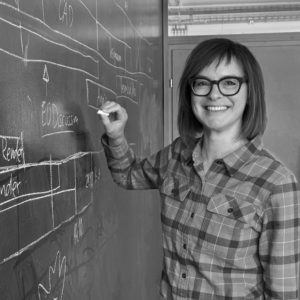
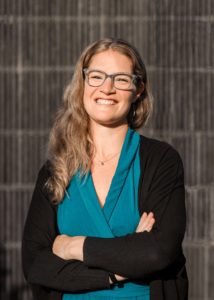
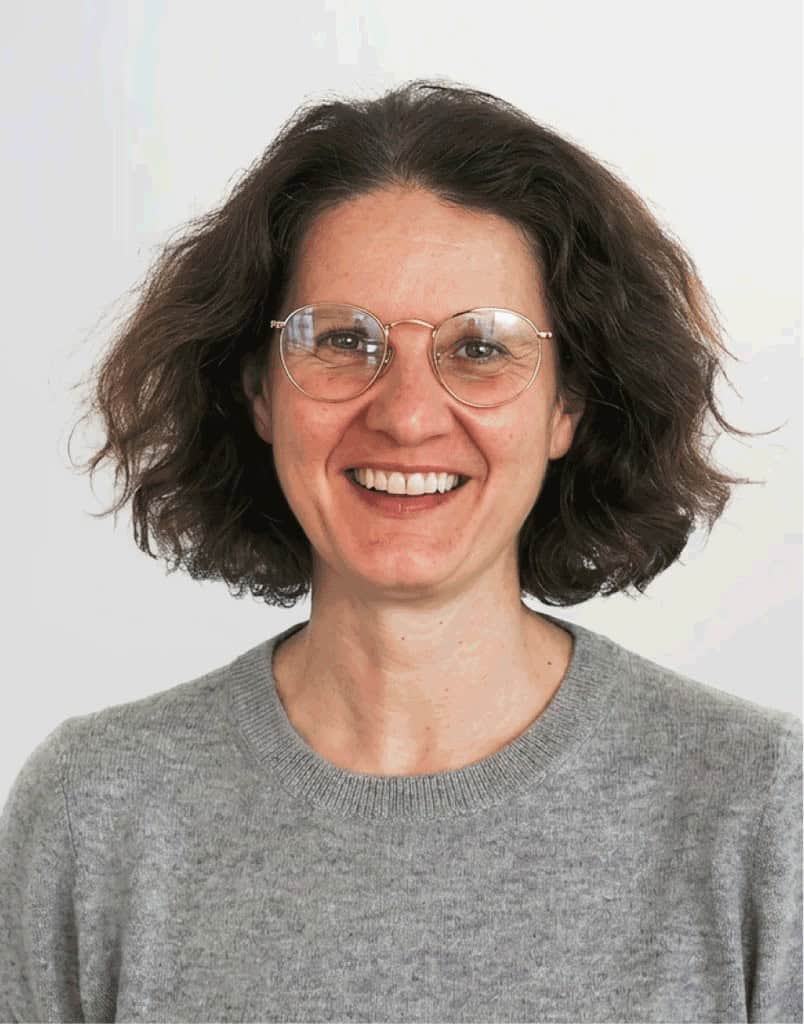
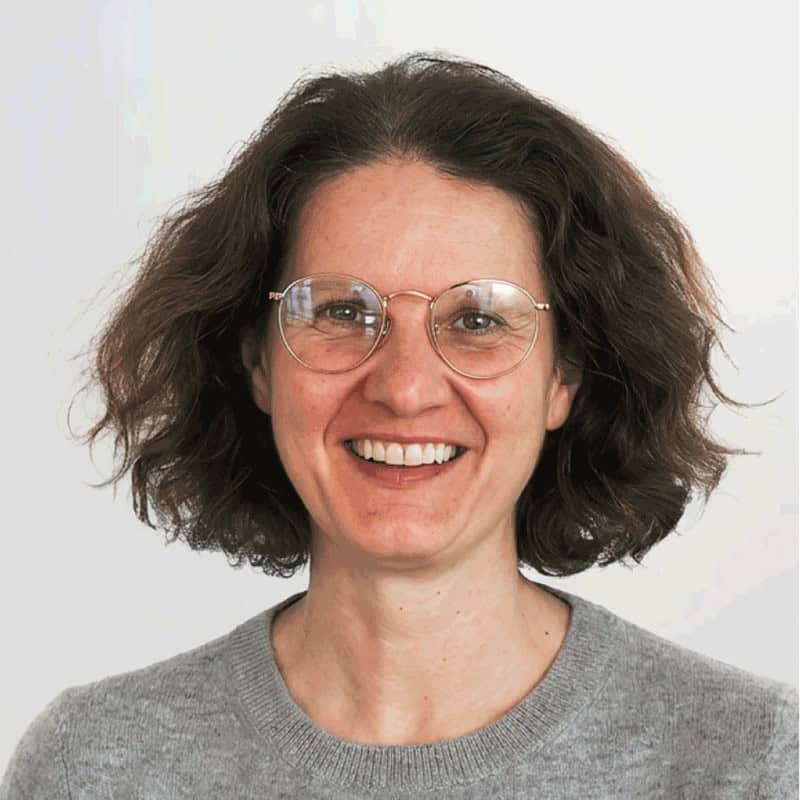
Role Model & Digital Shaper Sabrina Schenardi

Role Model & Digital Shaper Sabrina Schenardi

Every month we ask one individual in our network a few questions about their way into tech, their motivation and their lessons learned. This mmonth, we switched things around a bit and talked to a Role Model turned into Digital Shaper.

Sabrina Schenardi has been named a Digital Shaper 2026 – a recognition that brings together people actively influencing Switzerland’s digital future across industries, disciplines, and technologies.

For Sabrina, the recognition sits at the intersection of two worlds she is deeply involved in: building an AI-native enterprise software company and contributing to the broader tech ecosystem through initiatives like WE SHAPE TECH. One focuses on scaling systems and rethinking how work happens inside organizations. The other on people, community, and inclusion in tech.

In this conversation, we explore how those worlds connect – from defining impact in an AI-driven era to building new categories, shaping culture, and staying grounded in what actually moves the needle.

You were recently named a Digital Shaper 2026. What does that recognition mean to you at this point in your journey, and what do you think it actually reflects about the kind of work you’re doing?

It’s a very meaningful recognition for me, especially because it has never really been about titles, but about people and the impact you can have in everyday situations. Over time, I became increasingly interested in how technology can create real, practical value in the way people actually work and collaborate. Being named a Digital Shaper reflects both sides of that journey – it recognizes the technology, but also the broader responsibility that comes with building systems that will influence how people work in the future.

At the same time, it also reflects the work we are doing together at BLP, where we are helping companies move from manual processes toward more intelligent, agentic workflows that people can actually trust and use in practice.

At BLP, we are working on a problem that sits very deep inside organizations: How do we help companies move from manual, repetitive execution work to intelligent, agentic workflows that people can actually trust? That is not just a technical challenge. It is also a question of how work is designed, how people interact with systems, and how companies adopt AI in a way that creates real value.

So for me, being named a Digital Shaper reflects both sides of that work. It recognizes thetechnology, but also the broader responsibility that comes with building systems that will influence how people work in the future.

The Digital Shapers bring together people influencing Switzerland’s digital future in very different ways. How would you define what it means to “shape digital” today, compared to a few years ago?

A few years ago, “digital” often meant digitizing what already existed. Moving processes online. Making systems more efficient. Creating better interfaces. That was important, but it was still largely about improving existing ways of working.

Today, I think shaping digital means something more fundamental. We are now asking: What should the work actually look like? Which tasks should still sit with people? Which decisions should be supported by AI? Where do we need automation, and where do we need human judgment?

Especially with AI, digital transformation is no longer just about tools. It is about rethinking the operating model of companies. That makes it much more powerful, but also much more sensitive. The people who shape digital today need to think not only about what is possible, but also about what is useful, trustworthy, and responsible.

At WE SHAPE TECH, impact often means supporting individuals and strengthening a community. At BLP, you’re building AI systems that automate enterprise processes at scale. How do you think about the shift from human-scale impact to system-scale impact?

I don’t see it as a shift away from people. I see it as a different level of working on the same problem.

With WE SHAPE TECH, the impact is very human and direct.

You see people build confidence, find role models, open doors, or feel less alone in an industry where they may not always see themselves represented.
Role Model; Digital Shaper; Sabrina Schenardi; BLP;
Sabrina Schenardi
BLP

At BLP, the impact is more systemic. We are building agentic workflows that change how work gets done inside organizations. But the human question is still there. A lot of enterprise work today is repetitive, fragmented, and frustrating. People spend huge amounts of time fixing exceptions, checking data, moving information between systems, or chasing approvals. If agentic AI can take over more of that execution work, people can focus on higher-value work.

So the scale is different, but the motivation is connected. In both cases, the question is: How do we create systems where people can do better work and have more room to contribute?

A big part of your role is translating complex AI and enterprise systems into something people can actually engage with. What is the hardest part of what you build to explain, and why do you think that is?

The hardest part is explaining that real enterprise automation is not about one impressive AI moment. Agentic AI inside the enterprise is about hundreds of small, reliable decisions happening in the right sequence, with the right context, and with the right controls.

People often understand AI through very visible use cases: Chatbots, copilots, content generation. But the work we do sits inside complex operational processes. It involves ERP systems, business rules, exceptions, approvals, master data, audit trails, and industry-specific logic.

That makes it harder to explain, because the value is not always in the surface interaction. The value is in the orchestration underneath. It is in making sure work keeps moving even when something is incomplete, inconsistent, or non-standard.

So the challenge is to make something very technical feel concrete. Not to oversimplify it, but to connect it to the everyday reality of people working in finance, procurement, sales, or logistics.

At BLP you’re not only building a company, but also helping define a new category of AI-native enterprise systems. What does it feel like to build something that doesn’t yet have a shared language in the market?

It is exciting, but it is also demanding.

When you build in an existing category, people already have a mental model. They know what to compare you to. They understand the budget line, the buying process, and the language around the problem.

When you build something new, you have to do two things at the same time. You have to build the product, and you have to help the market understand why the old categories are no longer enough.

For us, that means explaining why traditional automation, RPA, workflow tools, and generic AI copilots do not fully solve the problem of complex enterprise execution. Companies do not just need tools that assist people. They need agentic workflows that can actually execute work, handle exceptions, and operate with governance inside real business processes.

The difficult part is that you have to be very precise. If the language is too technical, people switch off. If it is too broad, it sounds like everyone else. So category-building is really about finding the simplest accurate language for something that is genuinely new.

You’ve said you care about “serious technology without boring thinking.” How does that idea show up in how you build culture and decide what kind of people thrive at BLP?

For me, serious technology means that the work has to hold up in real environments. We work with enterprise customers. The systems we build touch critical processes. Reliability, security, traceability, and trust really matter.

But that does not mean the culture has to be heavy or conventional. In fact, I think building serious technology requires the opposite. You need people who are curious, creative, and willing to challenge inherited assumptions. You need people who can go deep technically, but still stay imaginative about what could be different.
Role Model; Digital Shaper; Sabrina Schenardi; BLP;
Sabrina Schenardi
BLP

The people who thrive at BLP tend to be ambitious, pragmatic, and a bit impatient with unnecessary complexity. They care about the details, but they also care about momentum. They want to build something that works, not just something that sounds good.

That combination is important to me: high standards, but not corporate theater. Serious work, but with energy, originality, and a willingness to think differently.

From your perspective, where does the conversation around diversity and inclusion meaningfully connect with building better technology systems, and where does it still feel disconnected from reality?

It connects very directly when we talk about who gets to shape the systems people will use in the future.

Technology is never neutral in the way it is built. The assumptions, priorities, blind spots, and lived experiences of the people building it all influence the outcome. If we want better technology systems, we need more varied perspectives in the room, especially as AI becomes more embedded in everyday work.

Where the conversation sometimes feels disconnected from reality is when diversity is treated as a separate initiative rather than part of how good companies are built. It should not sit in a corner, away from product, hiring, leadership, or customer understanding. It has to be connected to decisions.
Role Model; Digital Shaper; Sabrina Schenardi; BLP;
Sabrina Schenardi
BLP

For me, the most meaningful version of diversity and inclusion is not performative. It is practical. Who has access? Who gets heard? Who gets promoted? Who helps define the problem? Who gets to build the solution?

That is where it becomes real.

Looking across your roles, from ecosystem work to founding and scaling a company, how has your definition of impact changed, and what has stayed surprisingly constant?

My definition of impact has become more concrete over time.

Earlier in my career, I thought about impact more in terms of visibility, access, networks, and opening doors. Those things still matter a lot. But as a founder, I also think much more about whether something actually changes behavior, changes systems, or changes outcomes.

It is easy to create activity. It is harder to create lasting change.

What has stayed constant is the belief that impact is not only about scale. It is also about direction. Are we moving people and organizations toward something better? Are we solving a real problem? Are we creating more opportunity, more clarity, or more capability?

Whether I am working in a community context or building a company, I come back to that same question: Is this actually moving something that matters?

If you look ahead a few years, what would make you feel that your work has not just built a successful company, but actually changed how people experience and think about work itself?

I would love to see a shift in what people consider normal.

Today, a lot of people still accept repetitive, manual execution work as part of business life. They accept that processes get stuck, that exceptions require endless follow-up, that people spend hours correcting data or moving information between systems.

If, in a few years, people look at that and say, “Why did we ever work that way?”, then I think we will have contributed to something meaningful.

Success for me is not only that BLP becomes a strong company. It is that we help redefine what enterprise work can feel like. Less repetitive. Less fragmented. More intelligent. More agentic. More focused on the parts of work where people actually add judgment, creativity, and expertise.

That would feel like real change.

When you think about the next generation of people entering tech, especially those who are still deciding whether they belong here, what would you want them to feel is possible after hearing your story?

Lorem ipsum dolor sit amet, consectetur adipiscing elit. Ut elit tellus, luctus nec ullamcorper mattis, pulvinar dapibus leo.

I would want them to feel that there is no single way to belong in tech. You do not need to fit a stereotype. You do not need to have the loudest voice in the room. You do not need to follow a perfectly linear path. Tech needs many different kinds of people: Builders, translators, strategists, operators, designers, researchers, community-builders, and people who can connect technology to real human and business problems.
Role Model; Digital Shaper; Sabrina Schenardi; BLP;
Sabrina Schenardi
BLP
I would also want them to feel that they can shape the industry, not just enter it. That is an important difference. You do not have to simply adapt to the way things are. You can question them. You can build differently. You can bring your own perspective and still be serious, ambitious, and excellent. For anyone wondering whether they belong, I would say: The industry will be better if you do.
Role Model; Digital Shaper; Sabrina Schenardi; BLP;
Sabrina Schenardi
BLP
Tags

Like this article?

Spread the word and share this article on social media!

Imprint          Privacy Policy          © 2021 We Shape Tech

Job

Openings

Welcoming

Diversity

Our newsletter will keep you posted on featured openings. Sign-up now!

HSLU is looking for a "Python for Data Scientists" Lecturer

HSLU is looking for a "Big Data Tools" Lecturer

Crack the Confidence Gap | 28 June 2017

Get in touch to attract diverse talent!

This website uses cookies to ensure you get the best experience on our website. Please refer to our Privacy Policy for more information.

Join Your Fellow Shapers

Don't Miss a Thing

Sign up to receive our monthly newsletter and you’ll never miss an event or insightful article!

By signing-up you agree to our Privacy Policy.