
WST Role Model; Role Model Interview; Vanessa Warncke; Unchain Your Mind
red_WST_logo

Role Model:
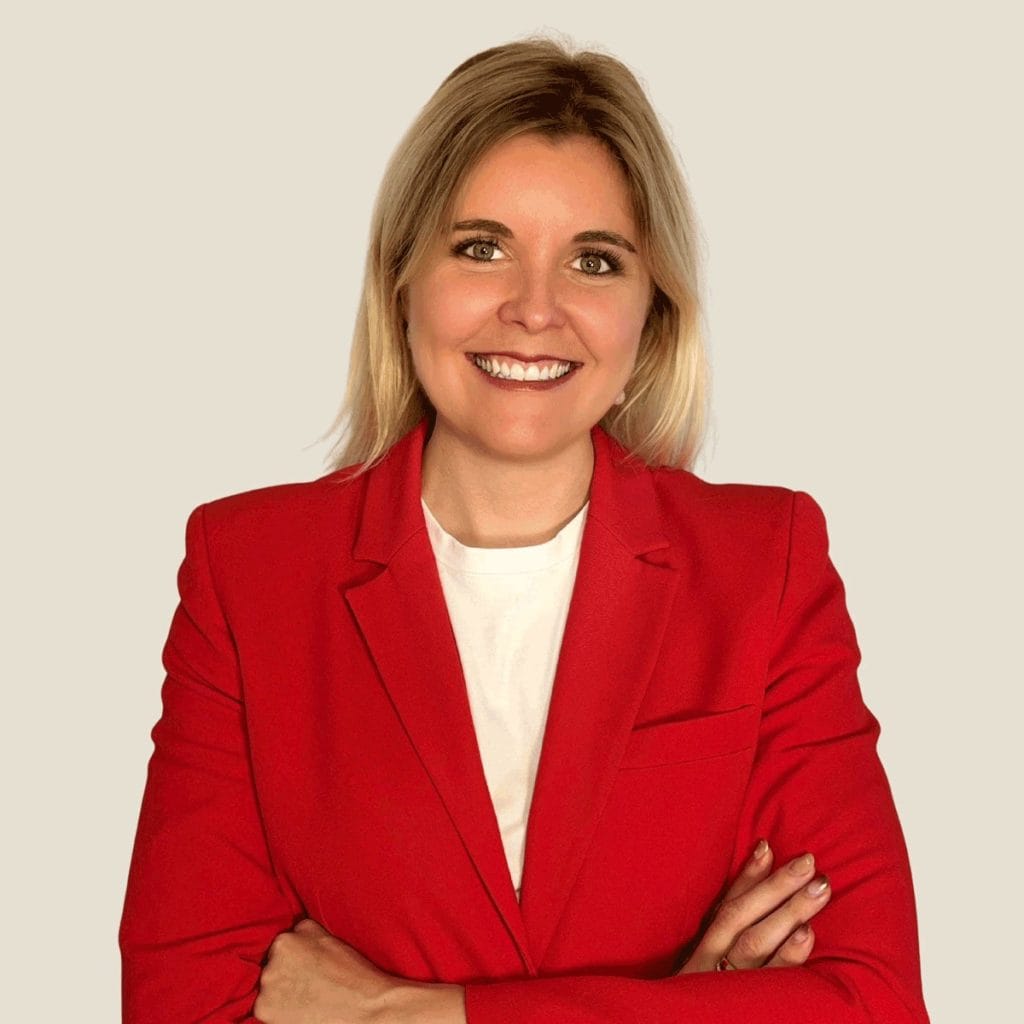
Vanessa Warncke

Role Model:
Vanessa Warncke

Every month we ask one individual in our network a few questions about their way into tech, their motivation and their lessons learned.

Let’s start from the beginning. Tell us about where you’re from!

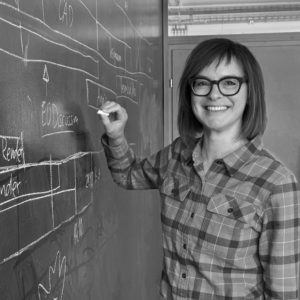
I was born in Germany, spent part of my childhood in Russia and moved to Switzerland nearly 20 years ago. Growing up across different cultures had a big influence on how I see life and adapt to new environments. In my family my brother was always the techie and I never imagined we would end up in the same industry. I was much more drawn to how people think and feel. I studied psychology at the University of Bern, worked in psychiatry and was convinced I would become a psychologist. Then life took a turn. During an exchange semester in Seoul I took lectures in innovation, marketing and Korean culture, and when I came back to Switzerland I joined the PostFinance Innovation Lab. I co-founded Unchain Your Mind in 2019, a debate format where we bring people together to debate and think critically about technology and the future of work. Over the past 10 years I have worked in Swiss tech startups and scaleups in marketing and go-to-market roles and helped them expand globally. Last year I started my own go-to-market consultancy Vantastics.

What valuable advice did you get from your parents?

My parents always told me that I could become anything I wanted if I stayed consistent and was willing to work hard. They never pressured me into a specific path and never questioned my ideas, even when they changed. Whether I wanted to become an actress, a journalist, a psychologist, or later an entrepreneur, they trusted that I would figure things out. That trust gave me the confidence to explore and to take risks along my path.

How did you become interested in tech?

I did an internship at the PostFinance Innovation Lab where I helped manage innovation projects, scout startups and explore new business areas. I was in charge of the LegalTech sector, which led me to smart contracts and blockchain. I also listened to a lot of startup pitches and got fascinated by how technology can completely change a business model or even an industry. At the same time I noticed that my technical understanding was pretty limited, so I decided to do a masters in Business Information Systems at the University of Bern to close that gap and to be able to collaborate more confidently with technical teams.

Can you share an example of a DeepTech startup you worked with where technology completely transformed their business model or market potential? What was your role in that transformation?

When I joined SkyCell, the company was known for its temperature-controlled containers for pharmaceutical transport. What many didn’t see was that those containers had IoT sensors built in from day one, so over time a huge amount of shipment data was collected. At some point, it became clear that the real opportunity was not just the hardware, but the data behind it. That led to the first tracking and risk assessment software. It shifted the company from being seen as a container provider to a broader supply chain partner combining hardware, software, and service. I worked closely with the two founders on positioning that shift and led the launch of the first standalone software solution. My role was to help customers understand the business impact, focusing less on features and more on risk reduction, visibility, and sustainability. That stronger positioning also supported expansion into new markets, including Asia.

As co-founder of Unchain Your Mind, what excites you most about your work there, and why do you believe its mission to explore the human and societal impact of technology matters now more than ever?

I’ve always been interested in how technology influences us as individuals and as a society. When Corinna and I started Unchain Your Mind, our goal was to create a neutral platform for debating and critical thinking around emerging technologies and trends. Each year, we focus on a technical theme and “unchain” it from different perspectives, whether it is online dating, AI, or disinformation. What excites me most is creating environments where people question assumptions and engage in constructive, nuanced discussions about the technologies shaping our lives. In the age of AI, this feels more relevant than ever.

As organizations increasingly asked us to moderate debates and run workshops, it became clear that there was real demand for these skills. Today, Unchain Your Mind offers interactive workshops and training programs for organizations and teams, strengthening skills like active listening, critical thinking, and constructive debating in the age of AI. Technology will continue to impact how we communicate and collaborate. We need the human skills to navigate that responsibly.

Can you give an example of a time when having a diverse team led to a really innovative solution? What did that experience teach you about the importance of inclusion in tech?

In my role at Scandit, I worked in global cross functional teams across Europe, the US, and Asia. We developed a global go-to-market strategy and initially planned to apply it everywhere. Local teams quickly challenged our assumptions. The use cases that worked in Europe did not resonate in the same way in the US or Asia. Instead of pushing a standardized approach, we kept a global framework but adapted industries, use cases, and messaging to each market, combining local insight with our own research. That shift led to much stronger traction.

It showed me how important it is to truly listen to different perspectives and not choose the easier path just because it is faster. Taking the time to understand and integrate different viewpoints may lengthen the process, but it strengthens the solution and makes it more relevant to the market.
WST Role Model; Role Model Interview; Vanessa Warncke; Unchain Your Mind
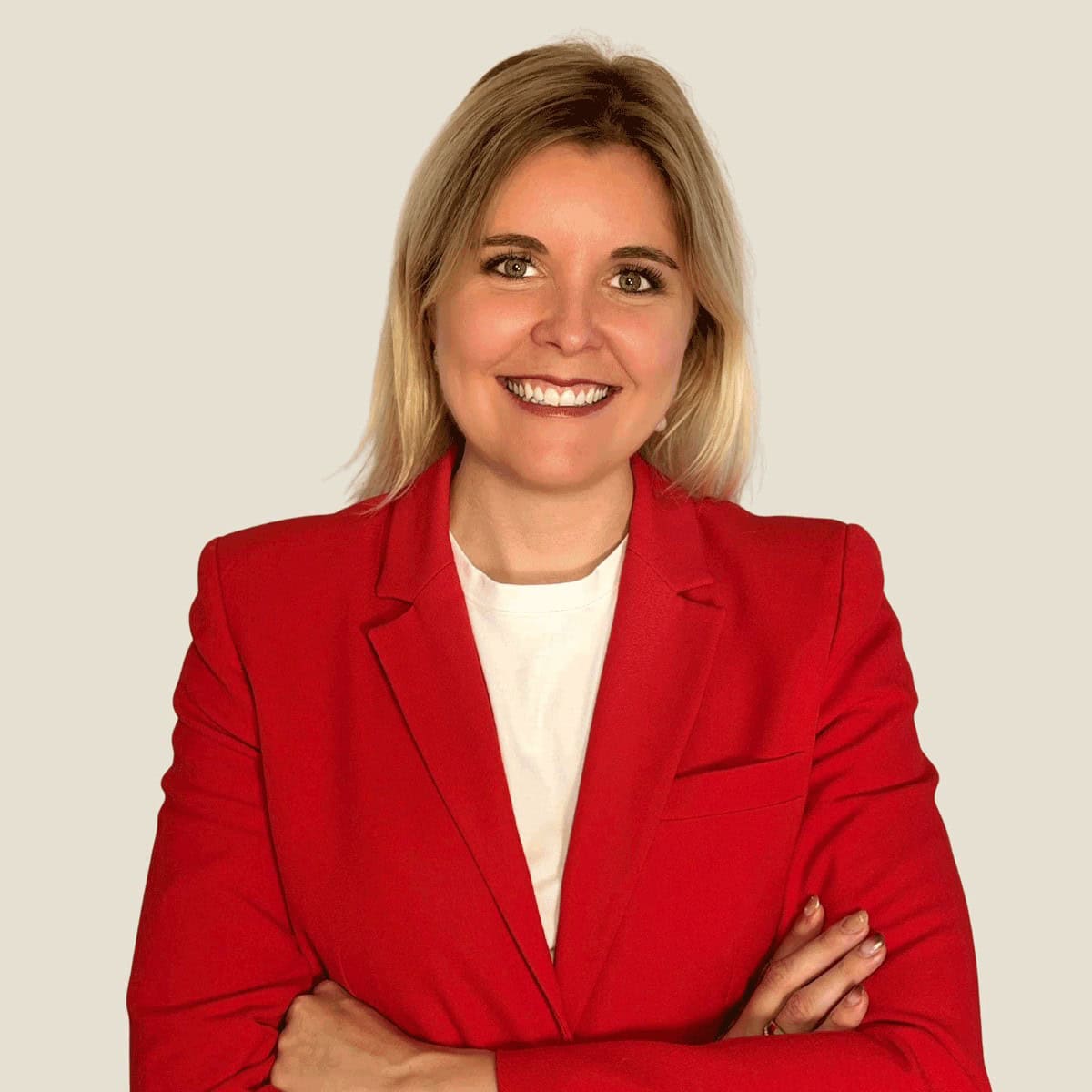
Vanessa Warncke
Vantastics

Based on your experience helping people in non-technical roles find their niche in tech, what advice would you give organizations to make innovation more inclusive and support diverse talent?

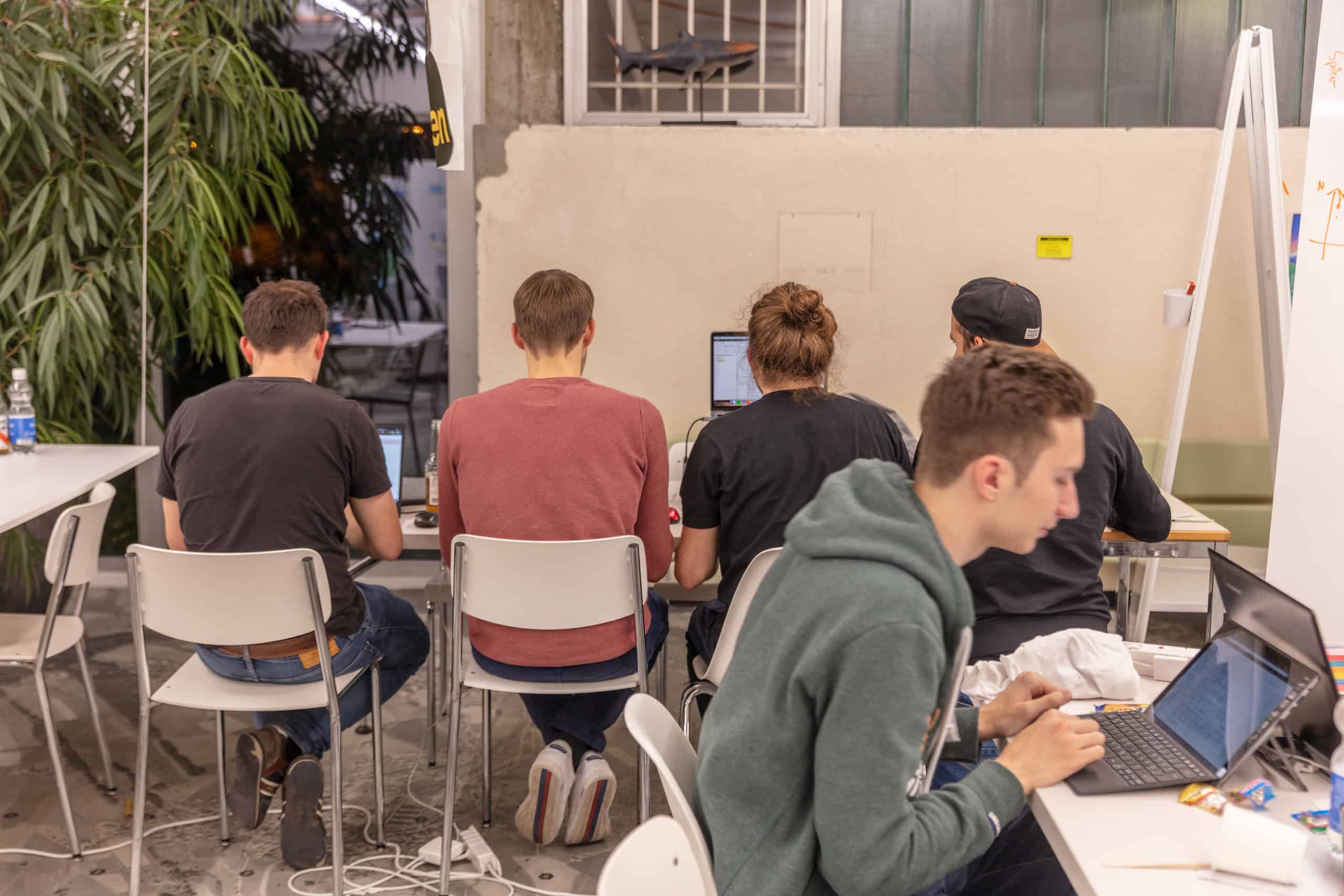
There are two concrete things I saw at Scandit that other companies could easily adapt. Internal hackathons explicitly encouraged non-technical employees to team up with engineers and product teams. One successful product was actually developed during one of these hackathons by a team made up of colleagues from marketing, engineering, and product. There were also mentorship programs where employees could choose a mentor or mentee from a completely different field.

This format enabled cross-functional exchange and helped people learn from each other’s perspectives. Innovation becomes more inclusive when organizations intentionally create these formats instead of assuming collaboration will happen on its own.
WST Role Model; Role Model Interview; Vanessa Warncke; Unchain Your Mind
Vanessa Warncke
Vantastics

Have you ever had a role model that inspired you on your path?

I never had one single role model on a poster, but I was always drawn to people who showed me what was possible as a woman, as a leader or as an entrepreneur. I was lucky to work with founders who turned their passion about solving a niche problem into global tech companies. A former colleague, who is now a close friend, started her own consulting business a few years ago and encouraged me to go all in on my own entrepreneurial path. Watching her succeed made the idea feel real and achievable for me.

What aspects of your work are you proudest of?

I have always worked at Swiss startups and scaleups with global growth ambitions. In my roles, I had the opportunity to help expand businesses into markets like China, South Korea, and the US, and to work with teams across the globe. Today, I support deep tech startups as a strategic marketing and go-to-market partner through my consultancy, Vantastics. I work closely with founders and leadership teams on positioning, market entry strategies, and international expansion. I also help them prepare for and pitch to foreign investors. My role is often about translating complex technology into clear, compelling narratives for global customers and investors. Switzerland is an incredible innovation hub, but many of its tech champions remain hidden. I really enjoy supporting them on their journey to becoming global market leaders.

What drives you at work?

What drives me most is curiosity. I’m genuinely interested in how things work. Whenever I start a new customer mandate, I enjoy diving into their technology, exploring new markets, and understanding their industry and customers, often through interviews and research.

One of the things I love about working with startups is starting from a blank canvas. In one of my roles, I was the first full-time marketing hire and had the chance to build the marketing function from scratch. For me, it’s not about knowing everything, but about having the right tools and methods to learn fast and make sense of complexity. Whenever someone says we have not done this before, I’m intrigued.

What has been your toughest challenge you faced while working in tech?

My toughest lesson was realising that working hard is not enough. Early in my career I thought good work would speak for itself. Over time I learned that exposure, relationships and having people who vouch for you when you are not in the room matter just as much. 

It is not only about delivering, it is also about making your work visible and telling the story of what you have done. Learning that this is not bragging, but part of professional growth, was an important lesson for me.
WST Role Model; Role Model Interview; Vanessa Warncke; Unchain Your Mind
Vanessa Warncke
Vantastics

Do you have a favorite book or podcast?

WST Role Model; Role Model Interview; Vanessa Warncke; Unchain Your Mind; Vantastics; favourite books and podcasts

There are a few books and podcasts I keep coming back to. Crucial Conversations helped me a lot in learning how to navigate difficult conversations, especially giving difficult feedback. Chip War and Nexus gave me valuable context on how technology and geopolitics are connected, which I find especially relevant when working with global tech companies. 

On the podcast side, I enjoy The Hidden Brain because it explores the psychological patterns behind how we think and decide, and Lenny’s Podcast for very practical insights into building and scaling tech products and teams.

What advice would you give other women in tech?

Network intentionally. Not just for the sake of networking, but because it gives you access to different perspectives, experiences, and ways of thinking. I learn a lot from people who work in completely different fields than I do. I can also strongly recommend finding a mentor. It is much easier to navigate tough decisions when you have people who have been in similar situations and who are willing to challenge your thinking.

And what advice would you give women not yet working in tech that want to enter the field?

Start by finding your niche. If you are in a non technical role or outside of tech, it might not be obvious what you can bring to the table. Often your unique value only becomes clear when you change your environment.
WST Role Model; Role Model Interview; Vanessa Warncke; Unchain Your Mind
Vanessa Warncke
Vantastics

Try projects, roles or communities that bring you closer to tech and pay attention to where you naturally add value. In my case it turned out to be acting as a translator between deeptech founders, customers and different cultures. Tech needs many of these translators, not just coders.

Tags

Like this article?

Spread the word and share this article on social media!

Imprint          Privacy Policy          © 2021 We Shape Tech

Job

Openings

Welcoming

Diversity

Our newsletter will keep you posted on featured openings. Sign-up now!

HSLU is looking for a "Python for Data Scientists" Lecturer

HSLU is looking for a "Big Data Tools" Lecturer

Crack the Confidence Gap | 28 June 2017

Get in touch to attract diverse talent!

This website uses cookies to ensure you get the best experience on our website. Please refer to our Privacy Policy for more information.

Join Your Fellow Shapers

Don't Miss a Thing

Sign up to receive our monthly newsletter and you’ll never miss an event or insightful article!

By signing-up you agree to our Privacy Policy.