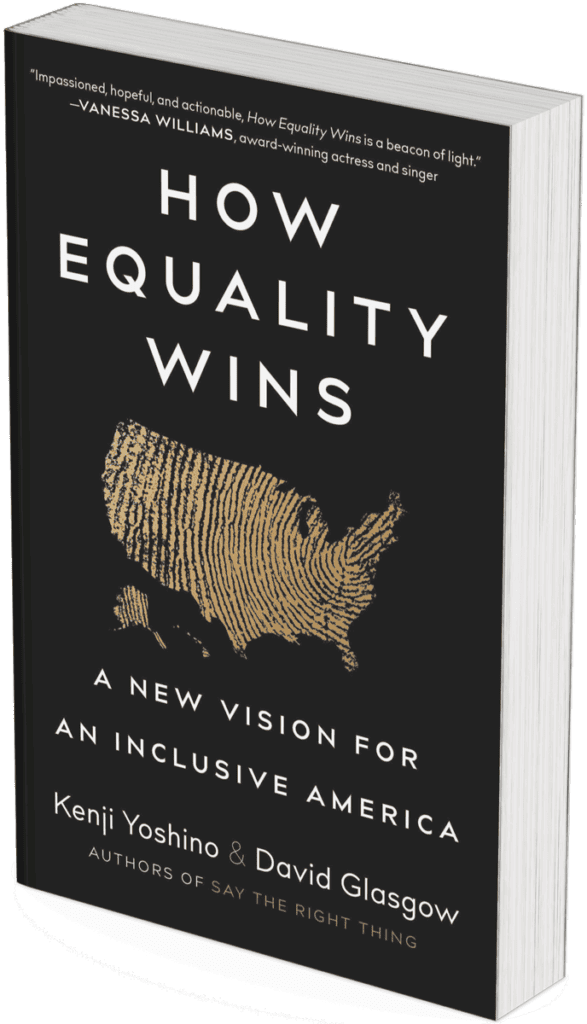

How Equality Wins offers a timely and strategic perspective on the evolving landscape of diversity, equity, and inclusion (DEI). Rather than approaching inclusion as a purely moral imperative, the book reframes it as a practical, widely beneficial goal that can gain traction across differing viewpoints. The authors argue that traditional DEI approaches often struggle because they are perceived as zero-sum or divisive, particularly in increasingly polarized environments.
To address this, the book introduces a framework built on three core pillars: “fairness,” “pluralism,” and “freedom.” These concepts are positioned as shared values that resonate across political and ideological divides. By grounding inclusion efforts in principles that appeal to a broader audience, the authors demonstrate how organizations and individuals can make meaningful progress while reducing backlash.
The book also tackles the current legal and social challenges facing DEI initiatives, particularly in the United States, where shifting regulations and public scrutiny require a more nuanced approach. It provides concrete examples, case studies, and communication strategies to help navigate these complexities effectively.
Importantly, How Equality Wins does not dismiss criticism of DEI but engages with it directly. It explores why skepticism arises and offers tools to respond constructively, making space for dialogue rather than confrontation. This makes the book particularly relevant for leaders, policymakers, and practitioners seeking sustainable and resilient inclusion strategies.
Overall, the book presents inclusion not as an idealistic endpoint but as an achievable outcome – one that depends on adaptability, strategic thinking, and a willingness to meet people where they are.
About the Authors
Kenji Yoshino is a legal scholar and professor at New York University School of Law, where he specializes in constitutional law, anti-discrimination law, and law and literature. His work often explores the tension between individual identity and societal expectations, particularly in the context of diversity and inclusion. Yoshino has contributed extensively to discussions on workplace equality and has advised organizations on inclusive practices grounded in legal frameworks. His writing is known for bridging academic rigor with practical application, making complex legal concepts accessible to broader audiences.
Link: https://www.law.nyu.edu/faculty/profiles/yoshino_kenji
David Glasgow is the Executive Director of the Meltzer Center for Diversity, Inclusion, and Belonging at New York University School of Law. His work focuses on advancing inclusion through research, education, and practical engagement with organizations. Glasgow brings a global perspective to DEI, shaped by his background in law and experience working across different cultural and institutional contexts. He is particularly interested in how inclusion strategies can be made more effective by addressing resistance and fostering dialogue. His work emphasizes evidence-based approaches and actionable solutions.